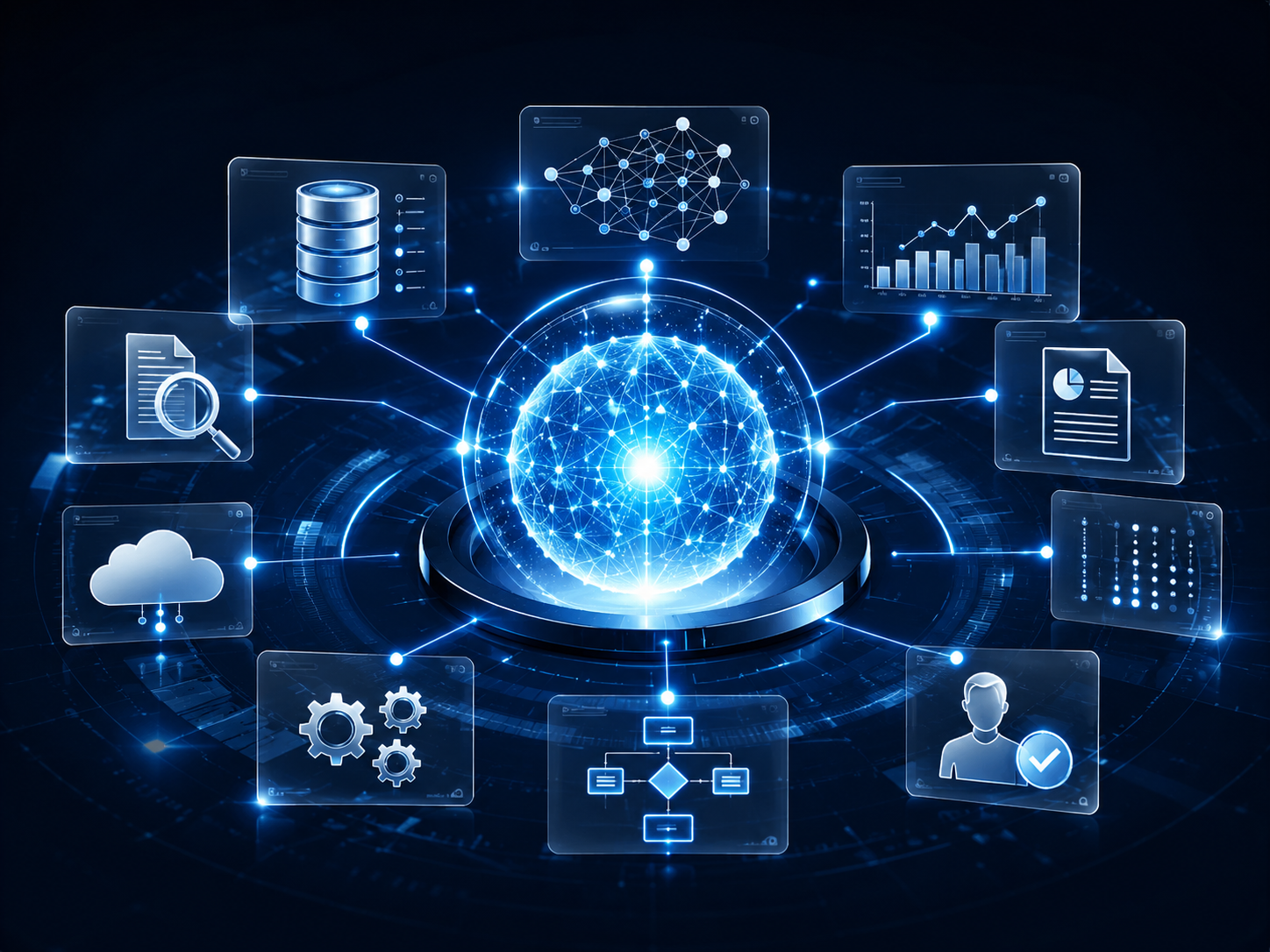
Artificial Intelligence
Autonomous Systems Consulting for Technical Teams and Engineering Workflows
SoliosAI helps engineering, industrial and technical teams understand how artificial intelligence can be used in practical business workflows.
The focus is on useful, responsible AI applications such as document search, reporting, workflow automation, internal knowledge retrieval and human-reviewed decision support.
This section brings together clear, business-focused guides to help you understand what AI is, how it works, where it fits, and how to apply it safely in real organisations.
Explore Artificial Intelligence Topics
- What Is AI?
- How AI Works
- How to Apply AI in Business
- Best AI Use Cases
- AI Tools Today
- AI Agents and Automation
- AI Safety and Human Oversight
- AI for Technical Teams
Artificial intelligence can help businesses reduce repeated manual work, improve access to information, support reporting and create more efficient workflows — while keeping people in control of important decisions.
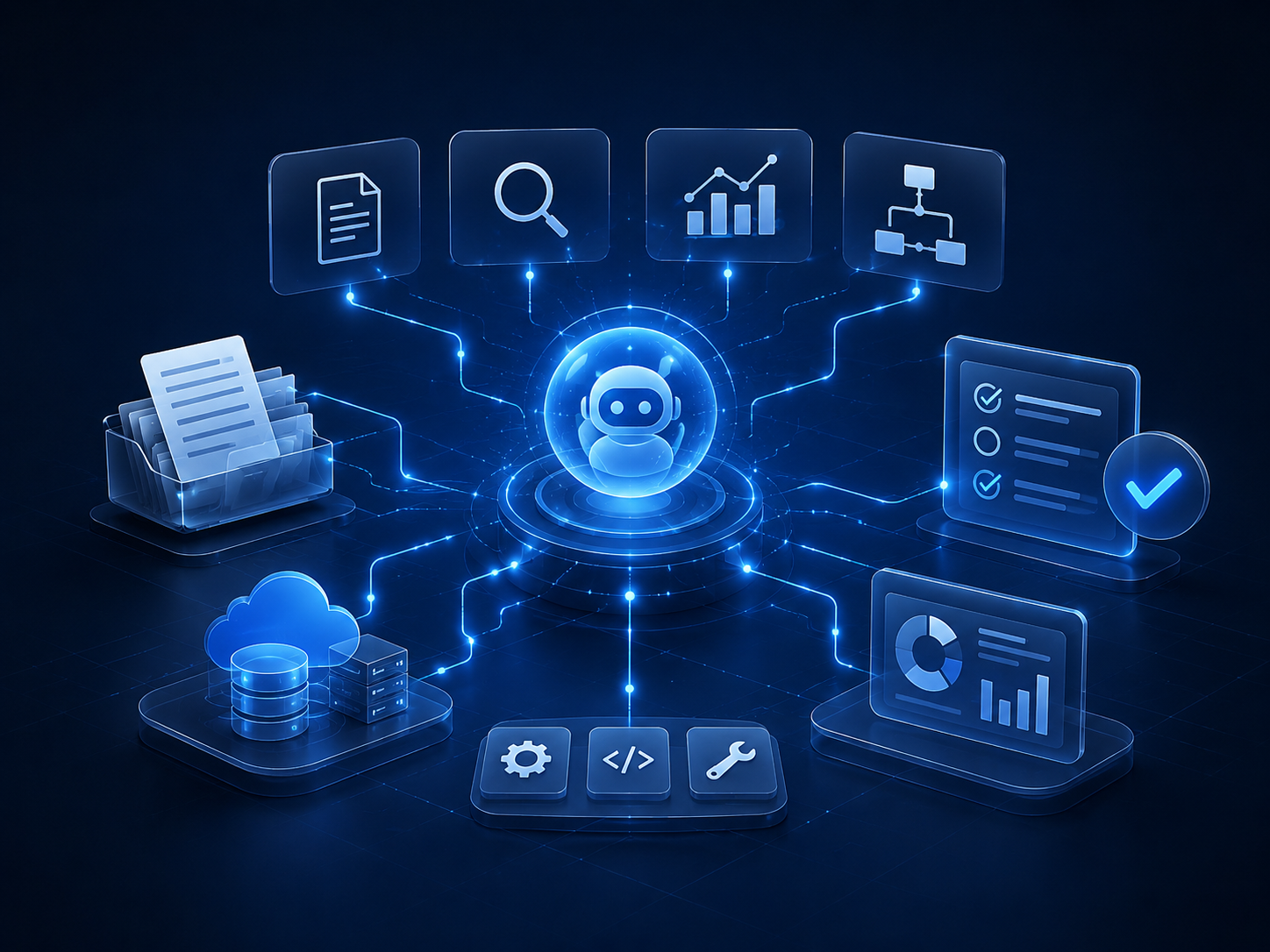
AI Agents
Autonomous Systems Consulting for Technical Teams and Engineering Workflows
SoliosAI shares practical guidance on how AI agents can support business automation, document search, reporting, workflow triage and knowledge retrieval.
AI agents are different from basic chatbots because they can work toward a goal, use tools, follow steps and support real workflow tasks with human review.
This section brings together clear guides for engineering, industrial and technical teams that want to understand where AI agents fit, how they work and how to use them safely.
Explore AI Agent Topics
- What Is an AI Agent? A Simple Guide for Businesses
- AI Agents vs Chatbots: What Is the Difference?
- AI Agents vs Automation: What Businesses Need to Know
- How AI Agents Work: Goals, Tools, Data and Human Review
- What Is the “Brain” in an AI Agent?
- Are AI Agents Safe for Business Use?
AI agents can help reduce repeated admin, improve document access, draft reports, organise technical information and support more consistent business workflows — while keeping people in control of important decisions.
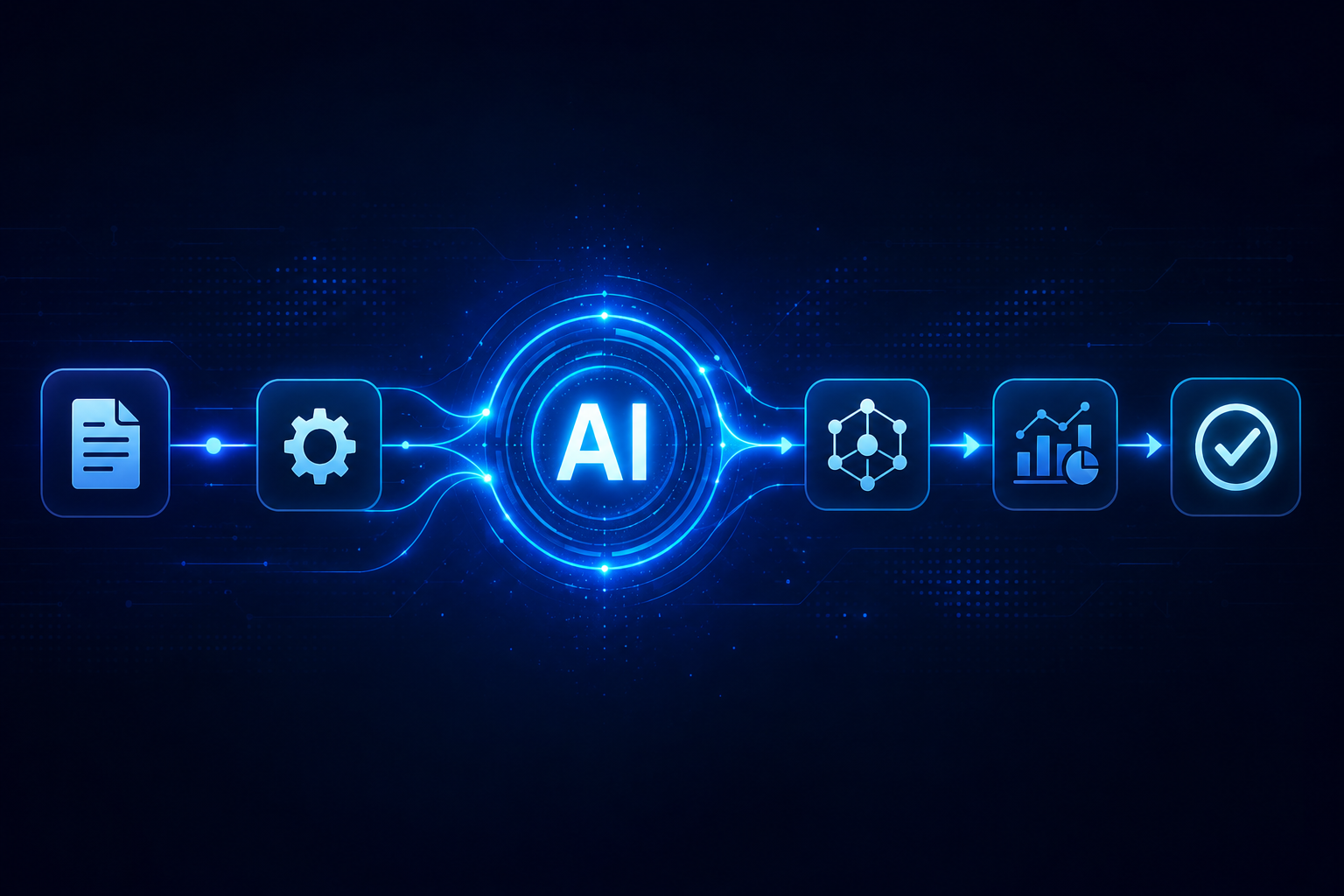
AI Automation
AI Automation for Business and Technical Workflows
SoliosAI shares practical guidance on how AI automation can help businesses reduce repeated manual work, improve reporting, organise documents and support more consistent workflows.
AI automation is not just about replacing tasks. It is about designing systems that can use data, documents, rules, tools and human review to make business processes faster, clearer and easier to manage.
This section explains how automation works, the different levels of automation, how intelligence can be added to workflows, and how businesses can apply AI automation safely.
Explore AI Automation Topics
- What Is AI Automation?
- How Automation Works
- Levels of Automation
- Intelligence in Automation
- AI Automation vs Traditional Automation
- Human-in-the-Loop Automation
- Automation Risk and Control
AI automation can help engineering, industrial and technical teams handle repeated admin, reporting, document search, task preparation and workflow support while keeping people in control of important decisions.
Robotics
Robotics for Industrial and Technical Workflows
SoliosAI shares practical guidance on robotics, autonomous systems and intelligent machines for engineering, industrial and technical teams.
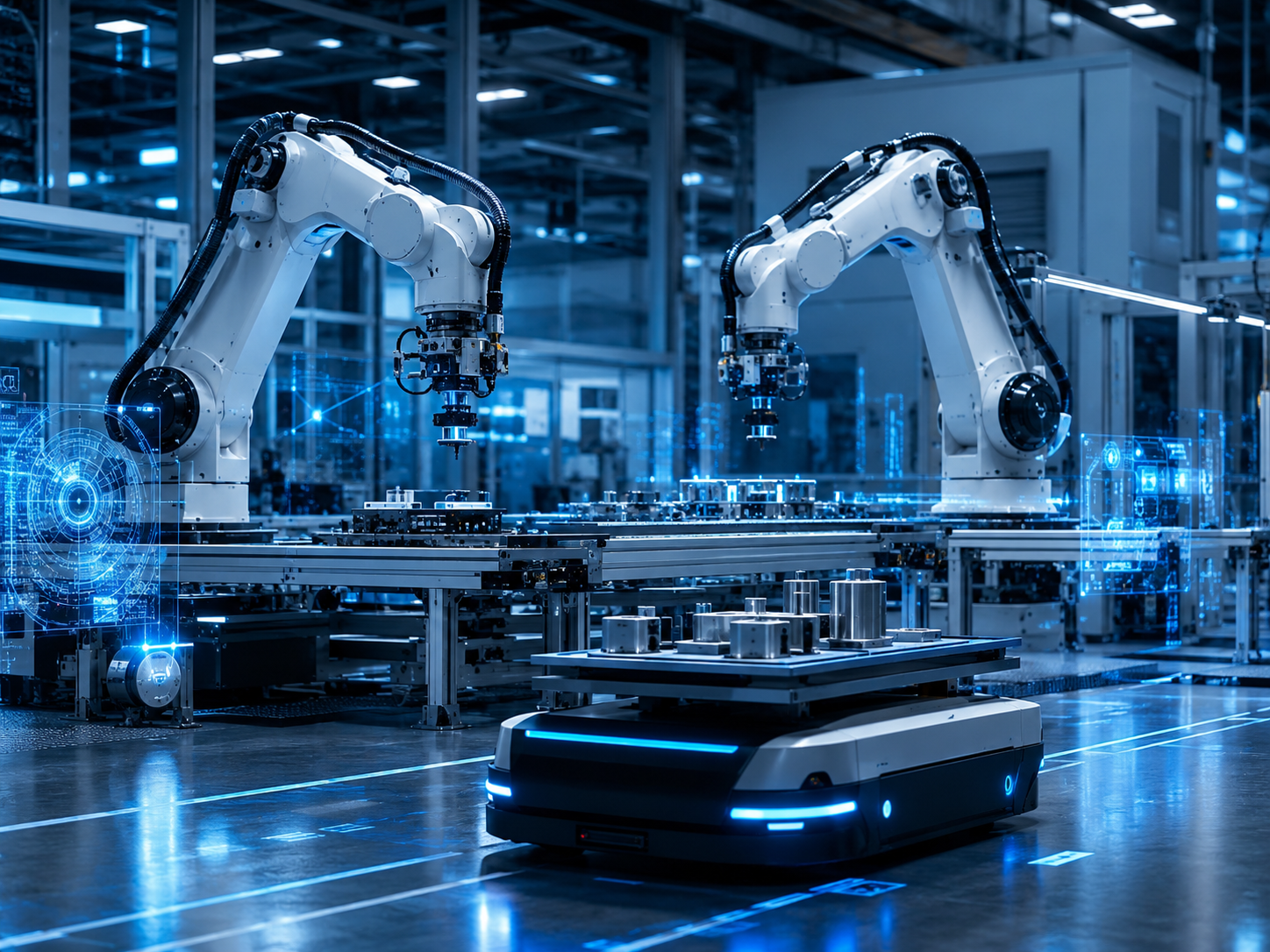
Robotics is no longer limited to factory arms. Modern robotic systems can include mobile robots, sensors, control systems, navigation, perception, task planning, automation and safety monitoring.
This section explains how robotics works, where robots are used, how robotic systems are designed, and how businesses can assess robotics opportunities before investing in larger systems.
Explore Robotics Topics
- What Is Robotics?
- How Robots Work
- Types of Robots Used in Industry
- Robotics vs Automation
- Sensors and Perception in Robotics
- Robot Navigation and Control
- Autonomous Mobile Robots
Robotics can help technical teams improve productivity, reduce repetitive work, support safer operations and collect better operational data — but successful robotics projects need clear use cases, reliable systems and practical review before implementation.
Drones / UAVs
Drones and UAVs for Technical and Industrial Workflows
SoliosAI shares practical guidance on drones, UAV systems and unmanned aerial operations for engineering, industrial and technical teams.
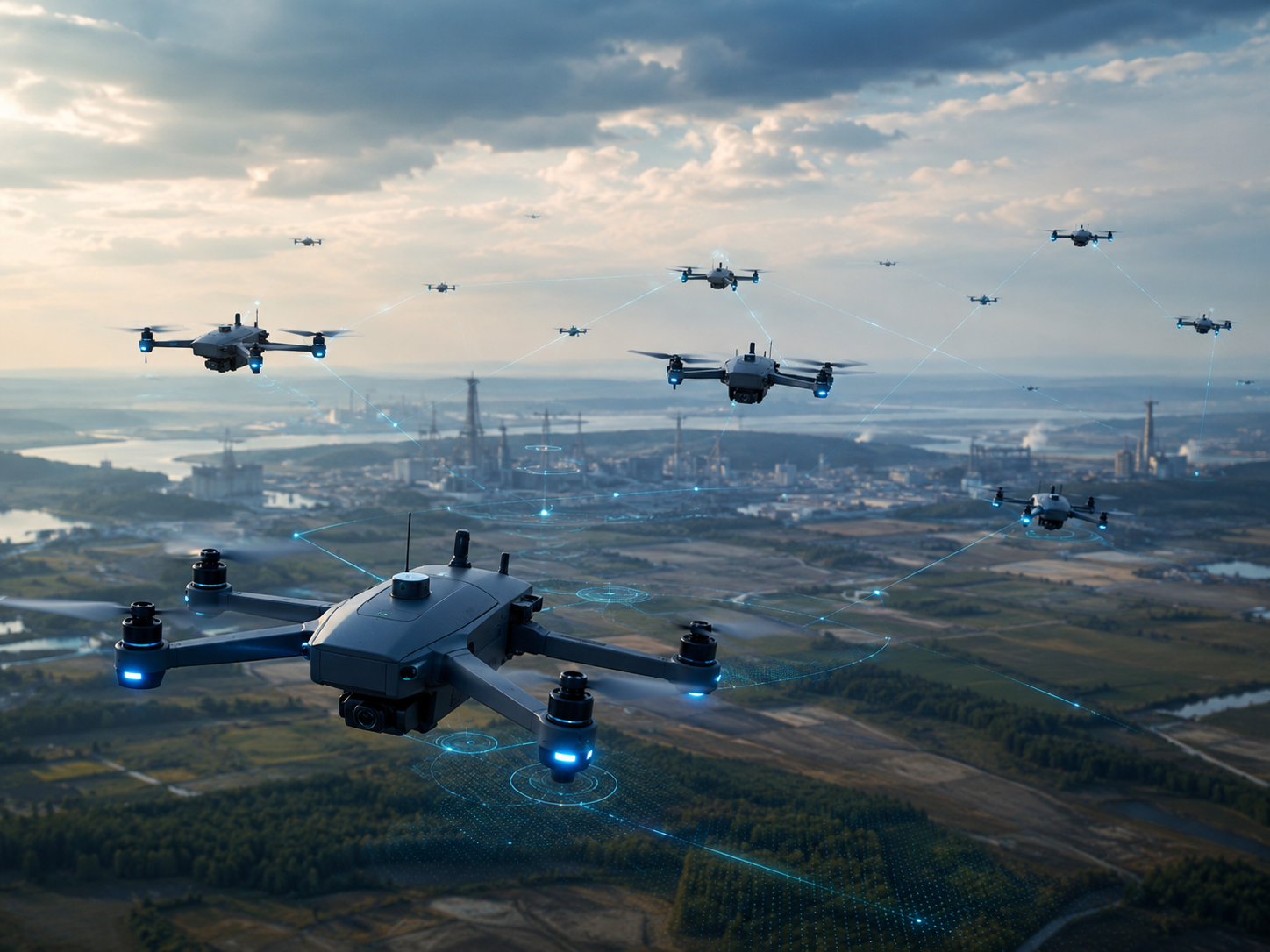
Drones are used for much more than aerial photography. Modern UAV systems can support inspection, mapping, monitoring, mission planning, autonomy testing, navigation review, simulation and operational risk assessment.
This section explains how drones work, where UAVs are used, what makes drone missions reliable, and how businesses can assess drone workflows before committing to larger systems or field operations.
Explore Drones and UAV Topics
- What Is a UAV?
- How Drones Work
- Types of Drones Used in Industry
- Drone Autonomy vs Manual Flight
- UAV Mission Planning and Route Assessment
- Drone Navigation and GNSS Reliability
- UAV Simulation and Mission Testing
Drones and UAVs can help technical teams inspect assets, collect site data, reduce manual field work, support safer operations and improve situational awareness — but successful drone workflows need clear mission goals, reliable navigation, good data handling and practical risk review before operation.
Space / Spacecraft
Space Technology, Satellites and Autonomous Missions
SoliosAI shares practical guidance on space systems, spacecraft, mission planning and autonomy for engineering, industrial and technical teams.
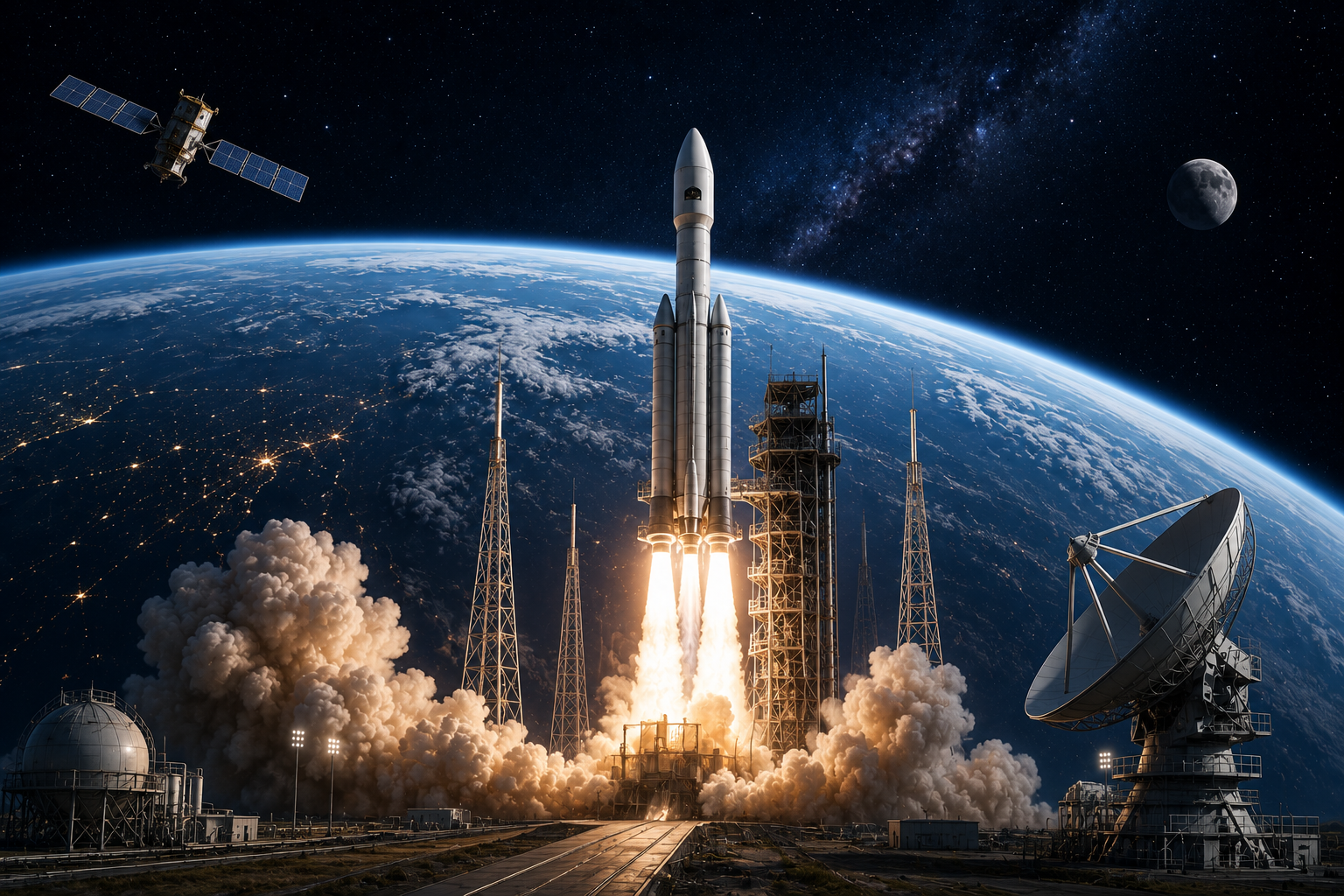
Spacecraft systems involve more than launch vehicles and satellites. They can include guidance, navigation and control, orbital operations, sensor fusion, mission simulation, autonomy, communications, fault detection and verification.
This section explains how spacecraft systems work, where space technologies are used, and how mission planning, simulation and technical review can support safer and more reliable space operations.
Explore Space and Spacecraft Topics
- What Is a UAV?
- How Drones Work
- Types of Drones Used in Industry
- Drone Autonomy vs Manual Flight
- UAV Mission Planning and Route Assessment
- Drone Navigation and GNSS Reliability
- UAV Simulation and Mission Testing
Space and spacecraft systems can support communications, Earth observation, navigation, research, robotics and advanced mission operations — but successful space projects need clear mission goals, reliable systems, strong simulation evidence and careful technical review before deployment.
GNSS / GPS Outage / resilient PNT
Autonomous Systems Consulting for Technical Teams and Engineering Workflows
SoliosAI shares practical guidance on GNSS reliability, GPS outages, resilient positioning, navigation and timing, and navigation risk for technical and industrial teams.
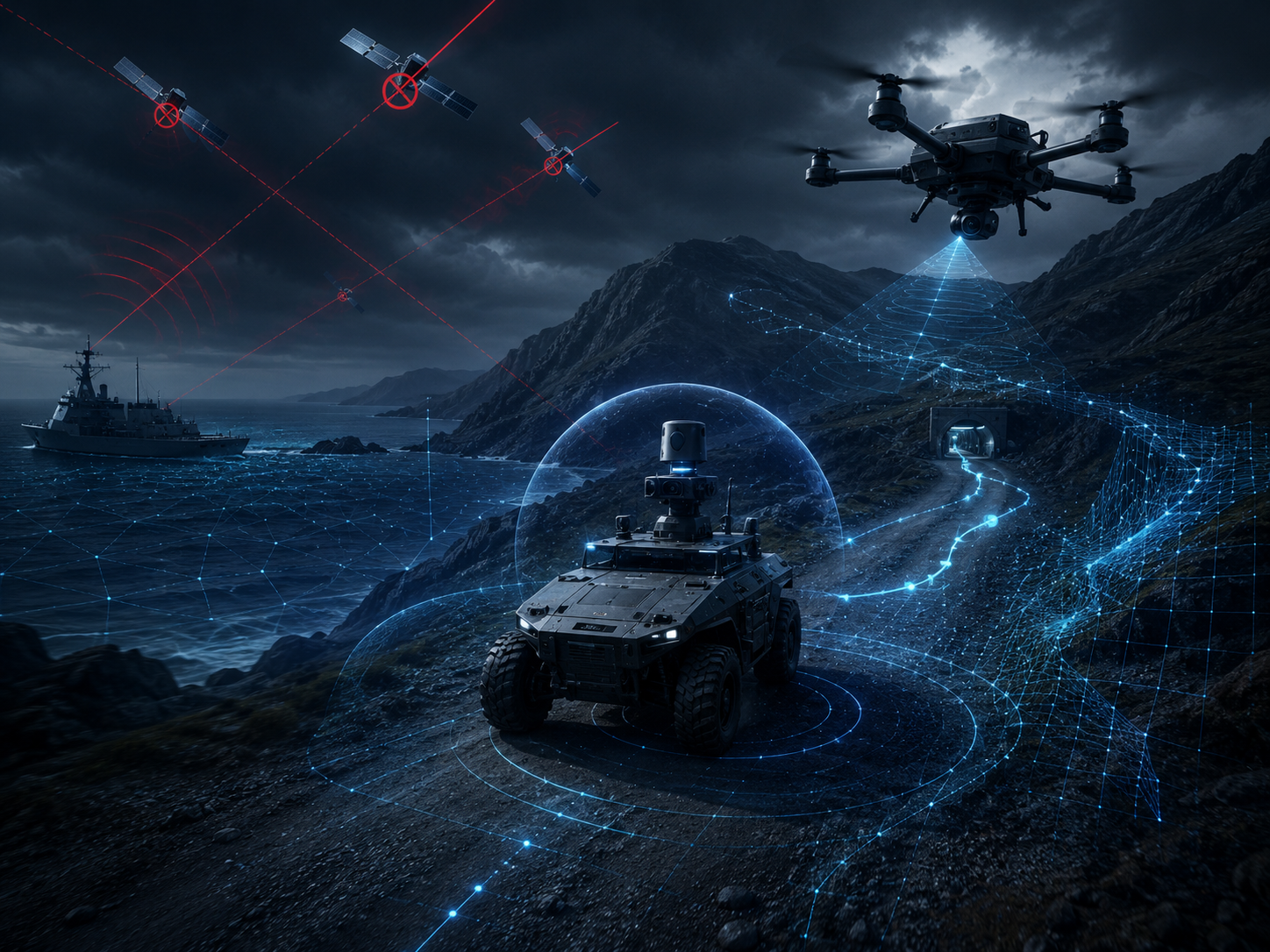
Modern systems often depend on GPS or GNSS for position, timing, route planning and operational awareness. When those signals are degraded, jammed, spoofed, blocked or unavailable, the impact can affect drones, vehicles, maritime systems, mining operations, infrastructure monitoring and autonomous platforms.
This section explains how GNSS works, what can cause GPS outages, why resilient PNT matters, and how teams can assess navigation risk before relying on a system in real-world operations.
Explore GNSS and Resilient PNT Topics
- What Is GNSS?
- GPS vs GNSS: What Is the Difference?
- What Causes GPS Outages?
- GNSS Jamming vs Spoofing
- What Is Resilient PNT?
- GNSS-Denied Navigation Explained
- Navigation Risk in Autonomous Systems
GNSS and resilient PNT are important for systems that need reliable positioning, navigation or timing in uncertain environments. Strong navigation workflows need clear mission requirements, backup sensing, practical simulation, risk review and evidence before operational use.
Guidance, Navigation and Control
Autonomous Systems Consulting for Technical Teams and Engineering Workflows
SoliosAI provides autonomous systems consulting for engineering and industrial teams working on UAV simulation, GNSS-denied navigation, Kalman filter diagnostics, sensor fusion, mission scenario assessment, verification support, and AI automation for technical workflows.
The focus is practical technical assessment: helping teams understand system behaviour, identify risk, review evidence, and make clearer engineering decisions before committing to larger system changes, full implementation projects, or operational decisions.
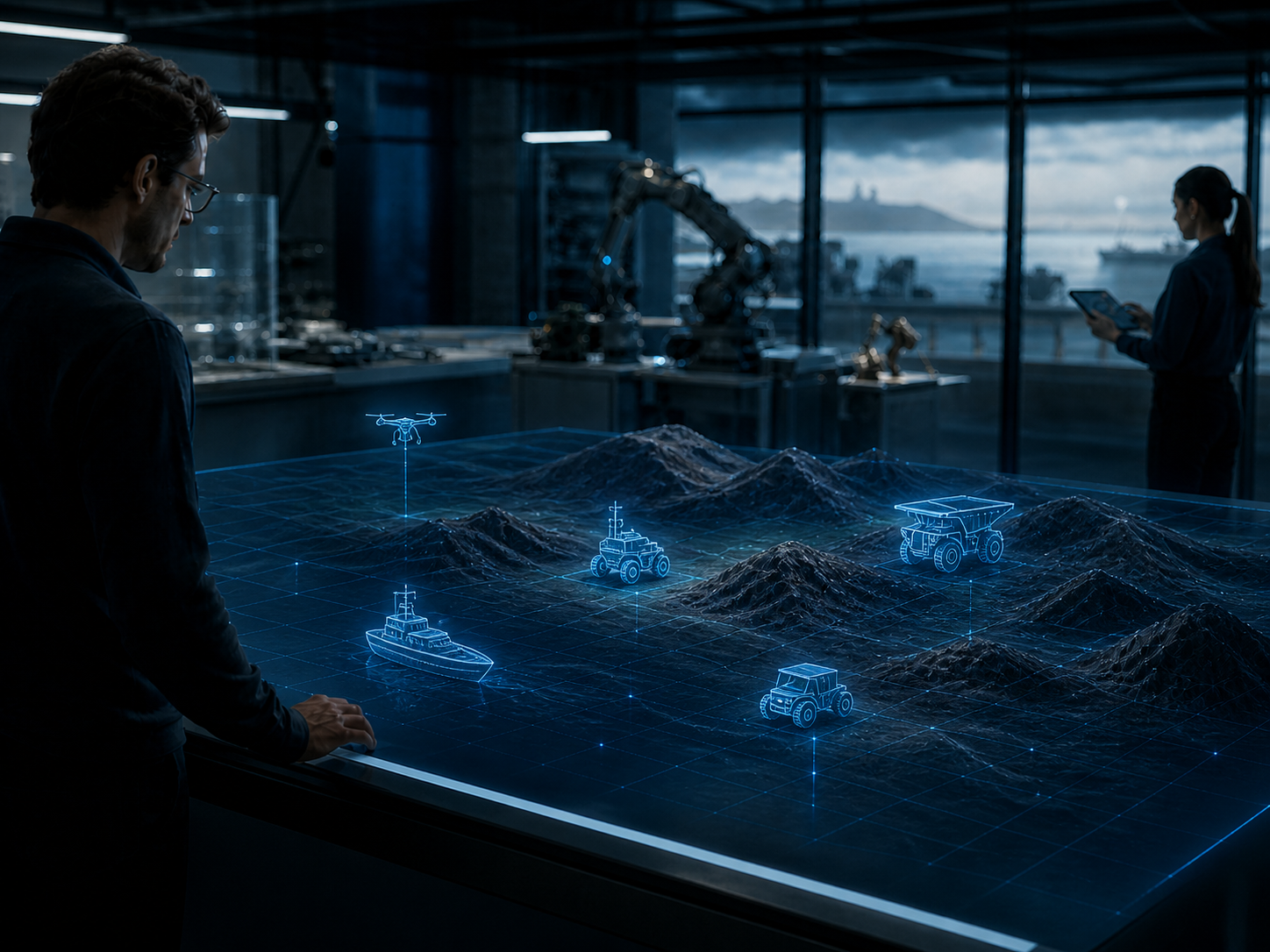
SoliosAI is relevant to air, land, sea, mining, robotics, and industrial autonomy programs where navigation resilience, simulation evidence, system performance, and validation-ready reporting matter.
Technical Risk Reviews
Autonomous Systems Consulting for Technical Teams and Engineering Workflows
SoliosAI provides autonomous systems consulting for engineering and industrial teams working on UAV simulation, GNSS-denied navigation, Kalman filter diagnostics, sensor fusion, mission scenario assessment, verification support, and AI automation for technical workflows.
The focus is practical technical assessment: helping teams understand system behaviour, identify risk, review evidence, and make clearer engineering decisions before committing to larger system changes, full implementation projects, or operational decisions.
SoliosAI is relevant to air, land, sea, mining, robotics, and industrial autonomy programs where navigation resilience, simulation evidence, system performance, and validation-ready reporting matter.